Custom Open-Die Forgings
Large drawing-based forgings for applications that do not fit a standard catalogue product.
REVROK coordinates custom requirements around geometry, material, forging route, heat treatment, machining, inspection and project documentation.
Custom Large Open-Die Forgings
Custom open-die forgings are used where component geometry, section size, material grade or final machining requirements make a standard forged product unsuitable.
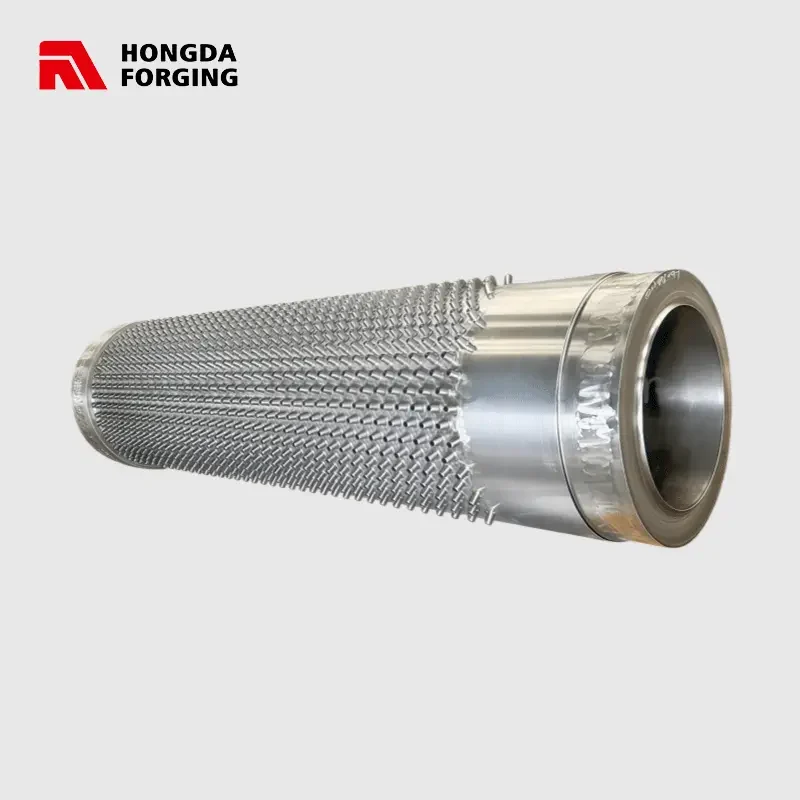
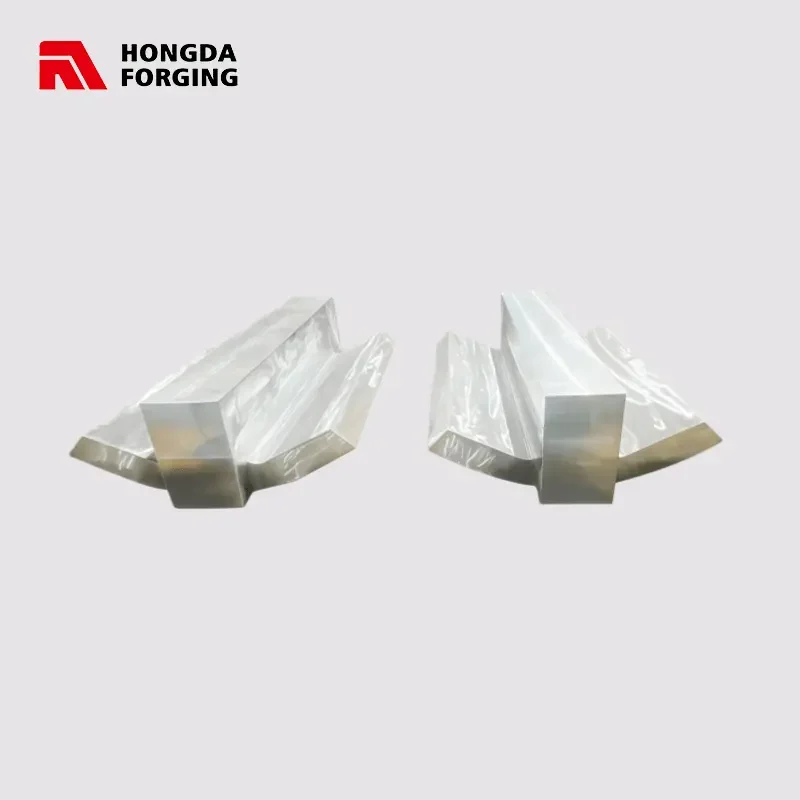
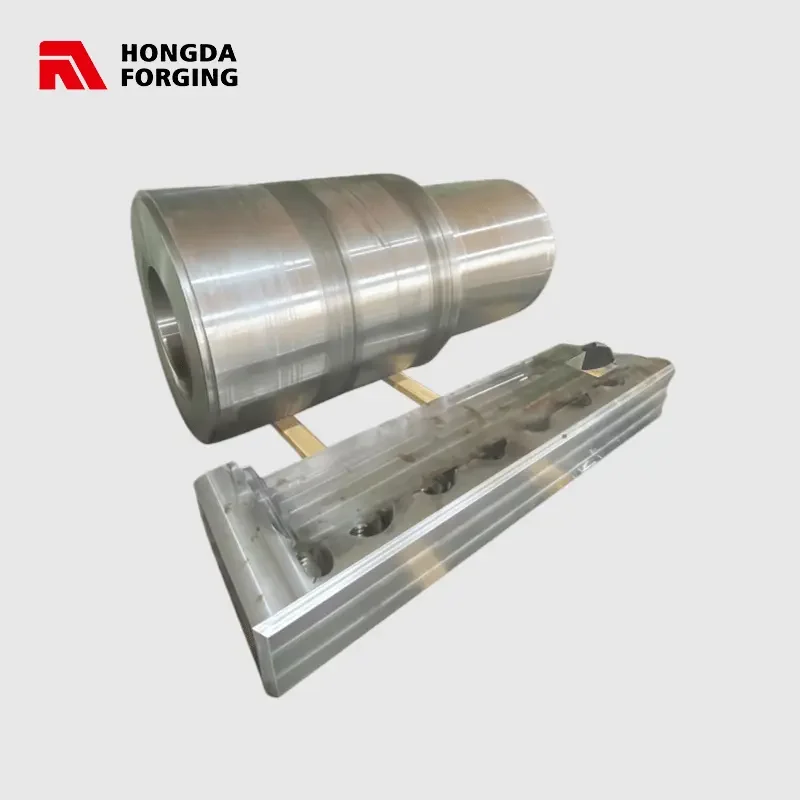
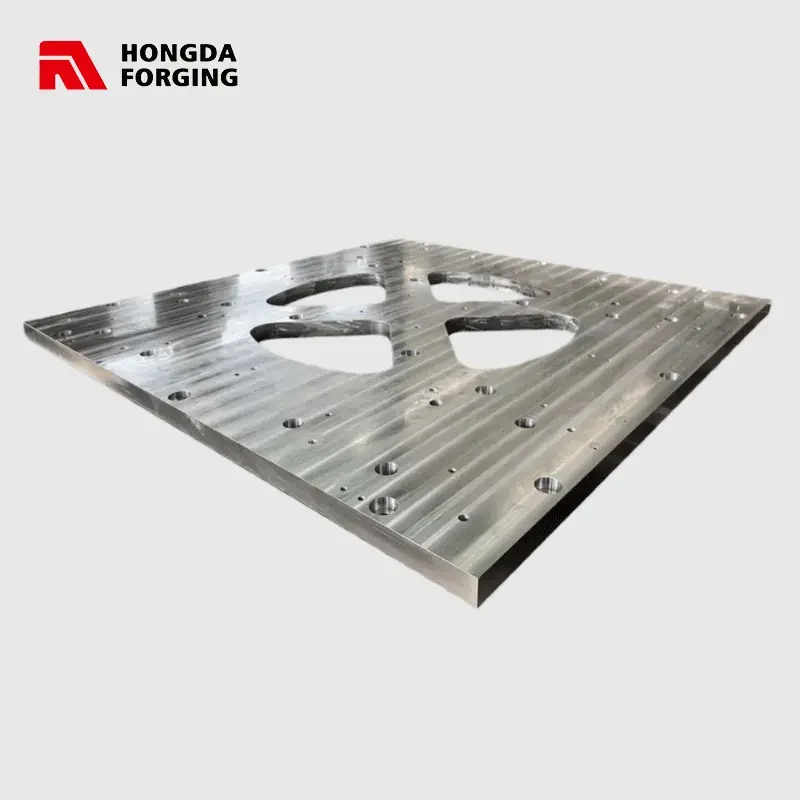
The manufacturing route is developed around the customer drawing and can include special preforms, profiled sections, heavy hollow parts, non-standard transitions, thick-section mechanical parts and other engineered shapes.
Hongda’s documented technical programme includes near-net-shape forging methods intended to reduce excess material and downstream machining, together with special-form pressure-equipment and machinery forgings.
Heavy-Forgings.com is operated by REVROK. The commercial route starts with the buyer’s requirement and the appropriate manufacturing solution is coordinated according to size, material, certification, machining, inspection and delivery needs.
Where Custom Open-Die Forgings Are Used
Pressure Equipment
Special forged geometry for reactors, vessels and process equipment.
Heavy Machinery
Large drawing-based components for mining, metallurgy and industrial machinery.
Power Generation
Large rotors, sleeves and other special forged power components.
Marine & Offshore
Large custom forged parts for marine propulsion and offshore equipment.
Special Engineering
One-off and project-specific forged components developed from customer drawings.
Define the Requirement at RFQ Stage
Materials
- Carbon and low-alloy steels
- High-strength quenched-and-tempered steels
- Stainless and duplex stainless steels
- Heat-resistant and chrome-moly steels
- Nickel alloys and selected special grades
Standards
International enquiries should begin with the required EN or ASTM/ASME material specification, mechanical properties, heat-treatment condition, inspection requirements and applicable customer specification.
Supply Condition
As-forged, rough-machined or finish-machined to drawing. Near-net-shape manufacturing routes can be evaluated where they reduce material input and downstream machining.
From Drawing to Finished Custom Forging
The manufacturing route is developed around geometry, material, forging reduction, heat treatment, machining allowance and final inspection scope.

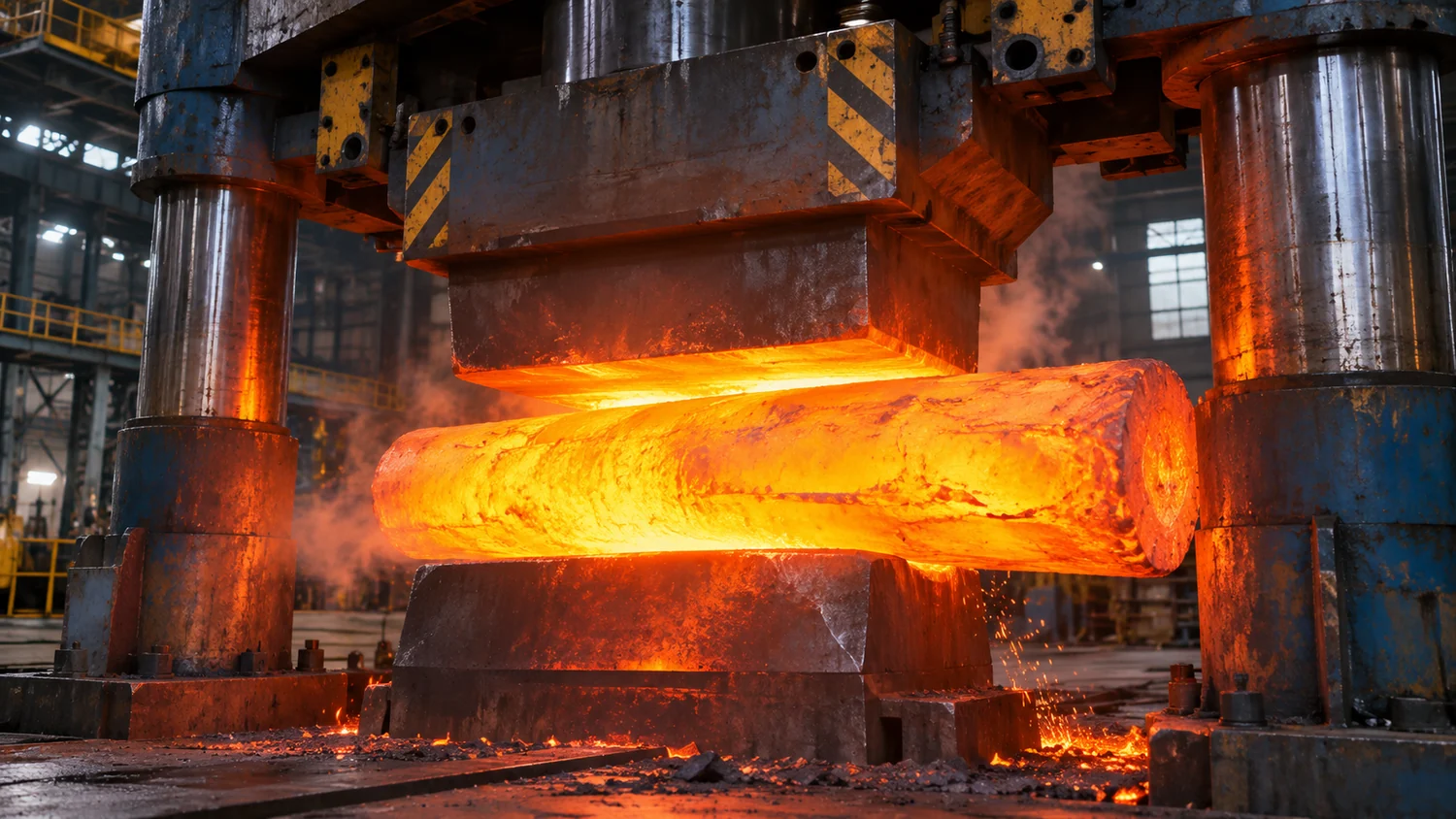
Engineering & Forging
Review drawing geometry and design the forging route, preform and required machining allowance.


Heat Treatment
Material-specific heat treatment to achieve the specified mechanical and metallurgical properties.

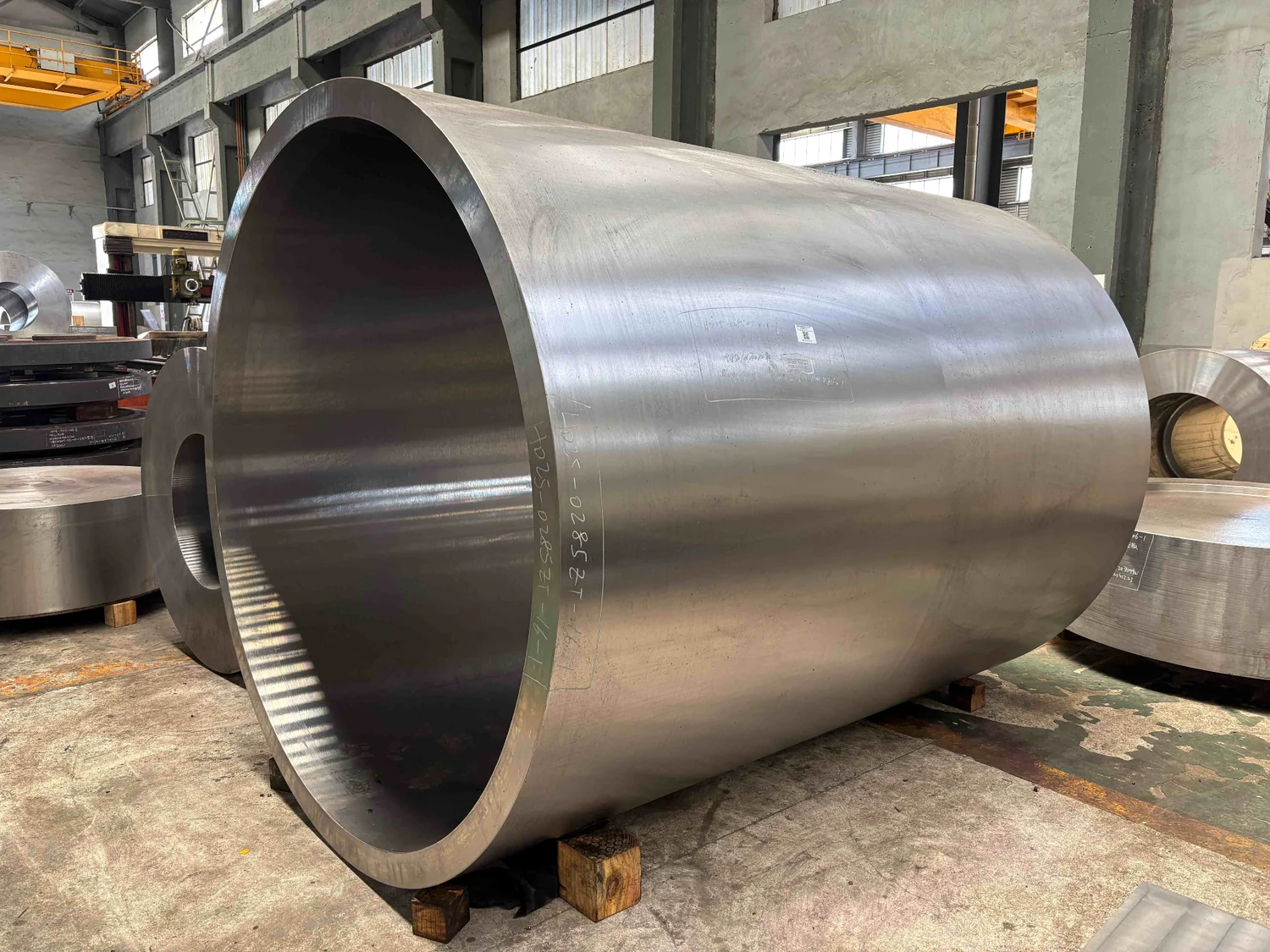
Machining
Rough or finish machining according to drawing, tolerances and final application requirements.
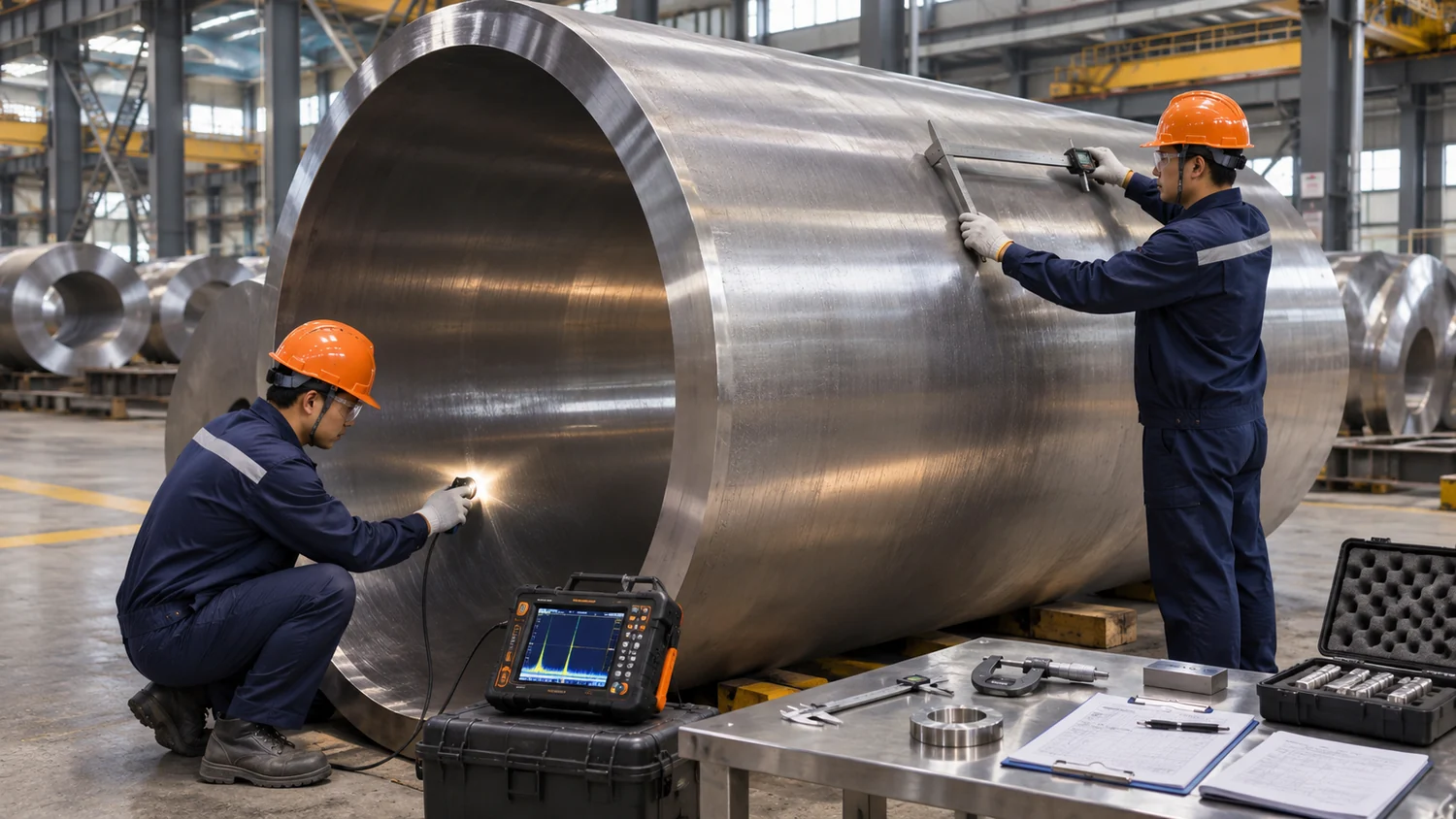
Inspection
Material traceability, dimensional inspection, mechanical testing and NDT according to the project specification.
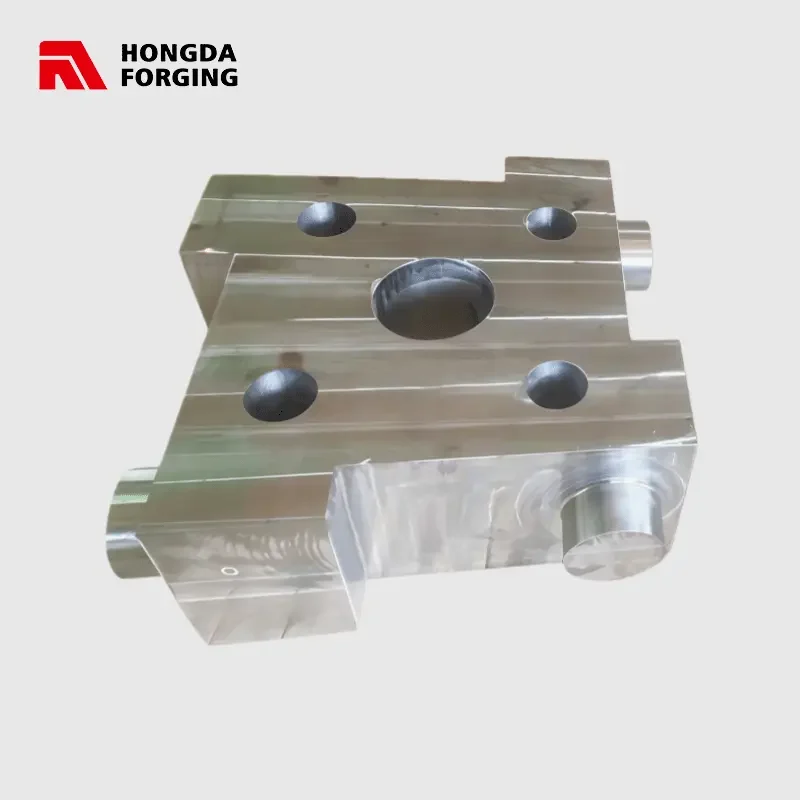
Actual Hongda Custom Open-Die Products

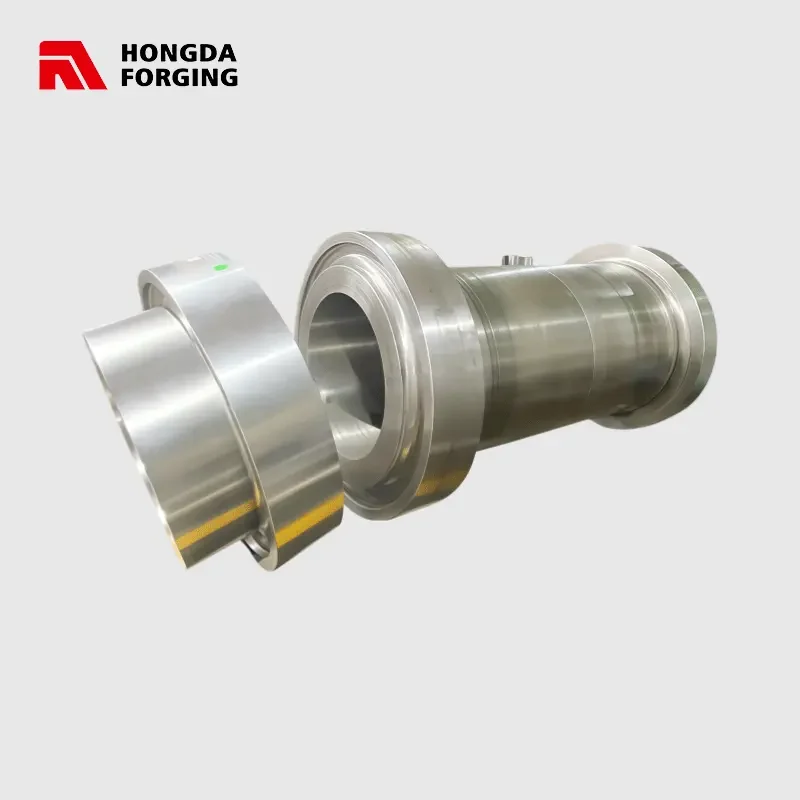
REVROK coordinates the commercial process
REVROK coordinates application review, drawing and specification clarification, RFQs, quotations and commercial follow-up. For custom forgings, early technical clarification is especially important so that the correct forging route, machining allowance, material and inspection scope can be established before quotation.
Custom Open-Die Forgings RFQ
Send the drawing, specification or initial requirement. REVROK will review the application and coordinate technical feasibility, forging route and quotation.
For custom forgings, please include the drawing, material, finished dimensions, machining condition, quantity, mechanical-property requirements, inspection requirements and required delivery date wherever possible.