Closed-Die Forgings
Precision forged components for repeat production, engineered shapes and near-net-form industrial parts.
Closed-die forging is suited to components where shape definition, repeatability and controlled production routes are required. REVROK coordinates the commercial route and RFQ handling.
Closed-Die Forged Components
Closed-die forgings are produced in shaped tooling to create parts with defined geometry, repeatability and a forging flow suited to higher-volume or repeat-order industrial applications.
This route is typically considered for parts where a shaped preform offers a better commercial solution than machining from a large open-die blank or from rolled stock.
Depending on geometry, material, tolerance and downstream operations, supply can be arranged as forged blanks, rough-machined components or finish-machined parts to drawing.
Heavy-Forgings.com is operated by REVROK. The commercial route starts with the buyer’s requirement so that the correct production method, tooling implications, material, inspection scope and delivery condition can be evaluated at RFQ stage.
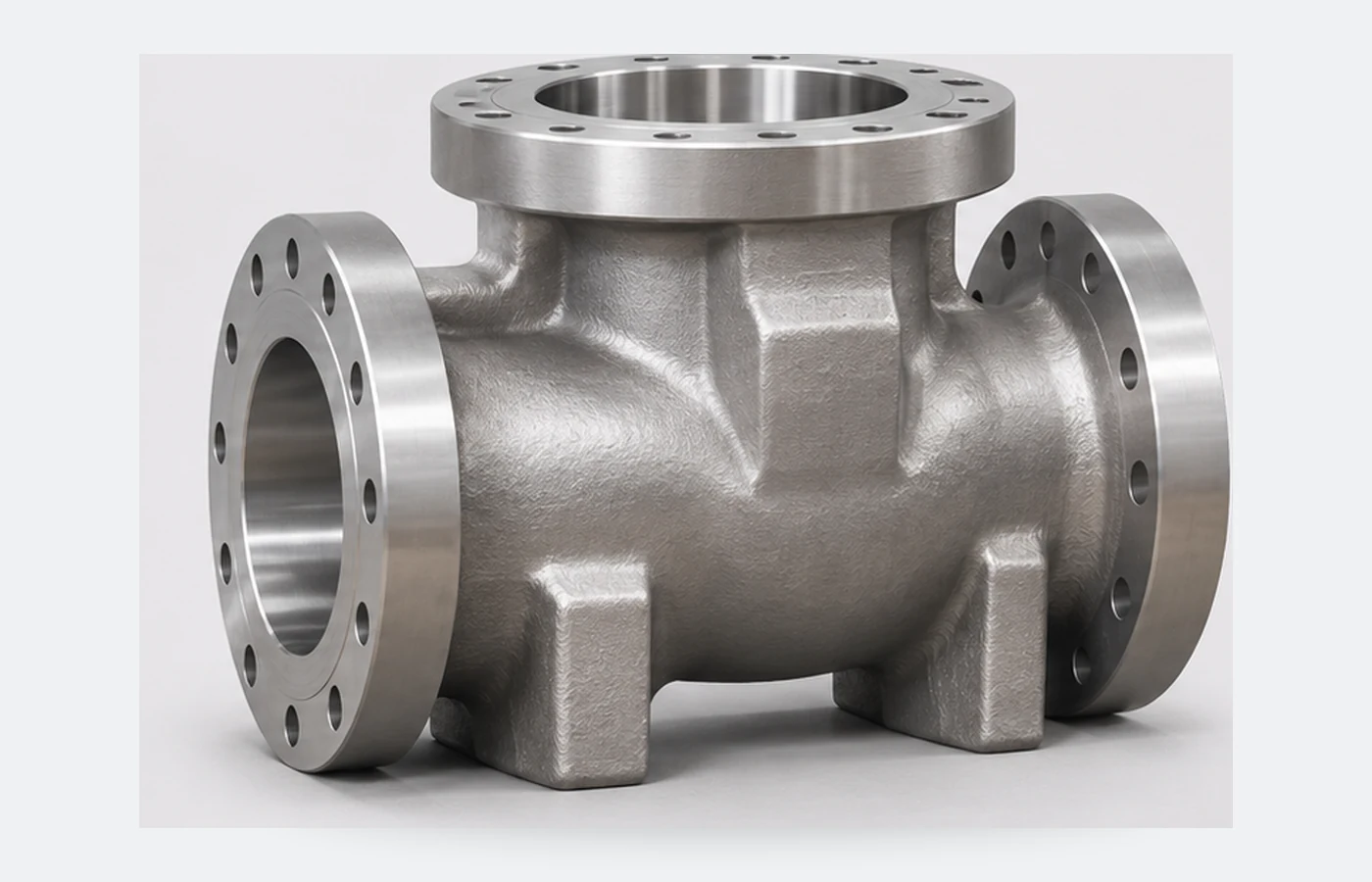
Large Industrial Valve Body — Closed-Die Forging
Large, thick-walled industrial valve bodies can be strong candidates for closed-die or near-net-shape forging where geometry, material grade, pressure duty and repeat quantity justify dedicated tooling.
Compared with machining the entire body from a large open-die block, a shaped forging route can reduce excess material, improve material flow around flange and nozzle areas and reduce downstream machining.
The optimum route must be established from the actual drawing. REVROK therefore asks for body dimensions, material, pressure class or design conditions, annual/project quantity, machining scope and inspection requirements before the manufacturing route is confirmed.

Where Closed-Die Forgings Are Used
Industrial Machinery
Repeat-part forged components for mechanical equipment and assemblies.
Pumps & Valves
Forged shapes and precision components for severe-service and process equipment.
Mining & Off-Highway
Durable forged parts for loaded moving equipment and wear-intensive applications.
Energy Equipment
Forged blanks and shaped components for rotating and static plant equipment.
OEM Components
Drawing-based parts where forging improves material flow and production economics.
Define the Requirement at RFQ Stage
Materials
- Carbon and low-alloy steels
- Alloy steels for mechanical-duty components
- Stainless steels and selected special grades
- Heat-resistant grades subject to application review
- Customer-specified materials on enquiry
Standards
Please state the required EN or ASTM/ASME material specification, mechanical properties, drawing revision, machining tolerances, heat treatment, testing and inspection requirements.
Supply Condition
Components can be supplied as forged blanks, rough-machined parts or finish-machined items, depending on the manufacturing route and the customer’s final-use requirement.
From Forging to Finished Closed-Die Component
The production route is selected around geometry, repeatability, tooling, material, downstream machining and inspection requirements.

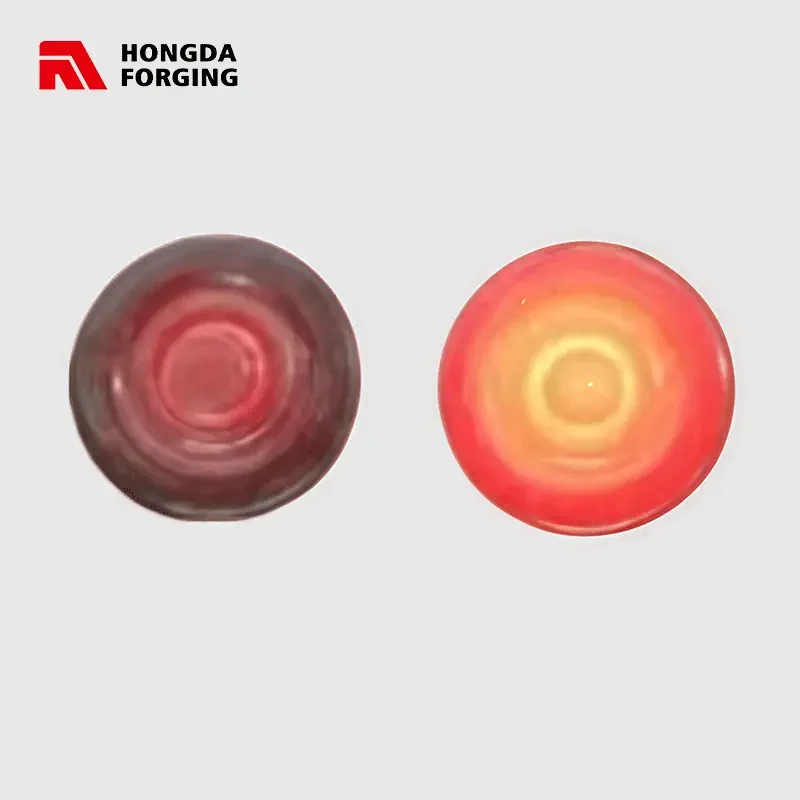
Closed-Die Forming
The forging route is developed around the required geometry, parting line, draft and repeat-part production needs.


Heat Treatment
Material-specific heat treatment is applied to achieve the required mechanical and metallurgical properties.

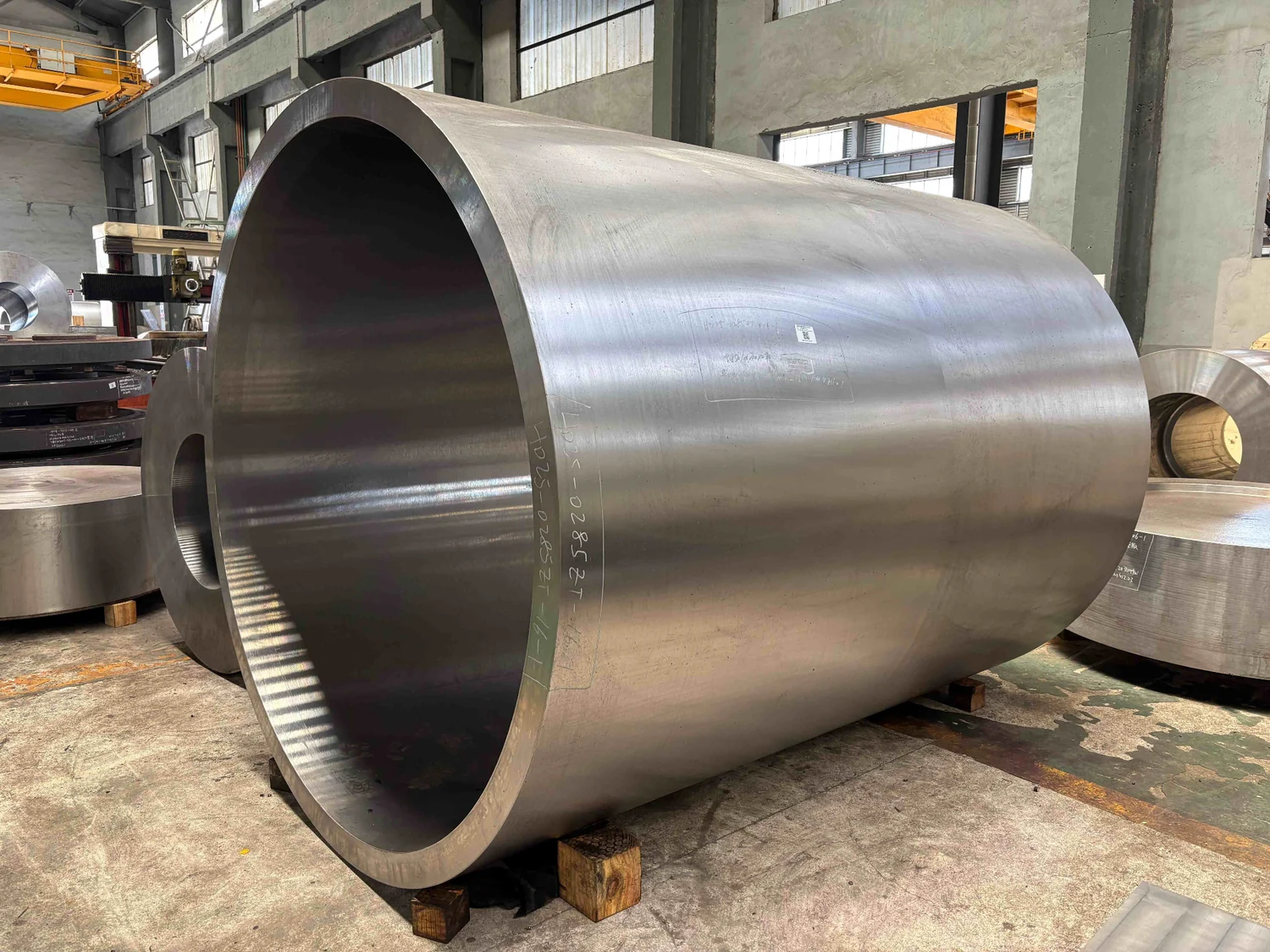
Machining
Rough or finish machining can be included where the application requires controlled dimensions and surface finish.

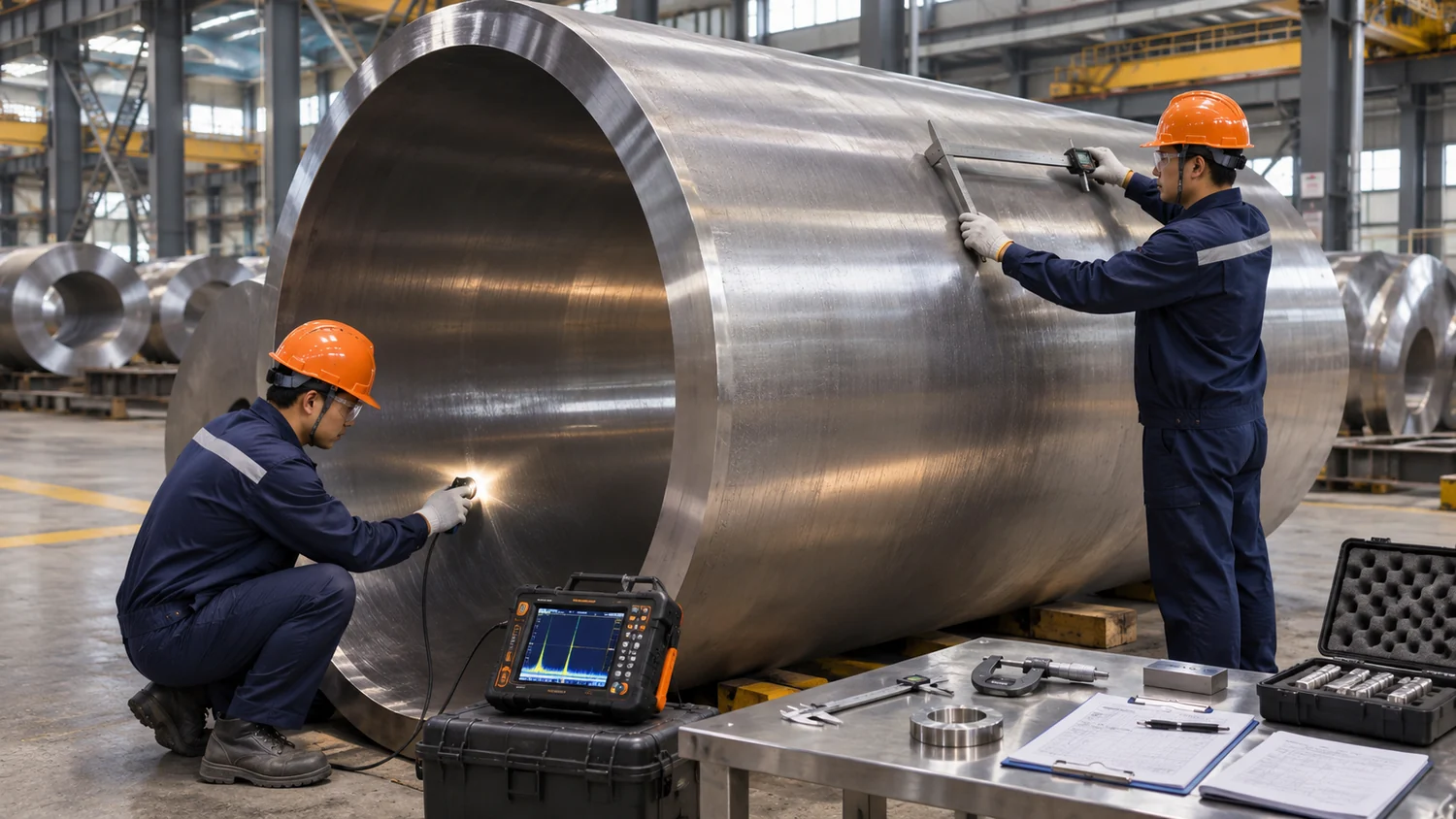
Inspection
Inspection scope is defined by the enquiry and may include material traceability, dimensional inspection, testing and NDT.
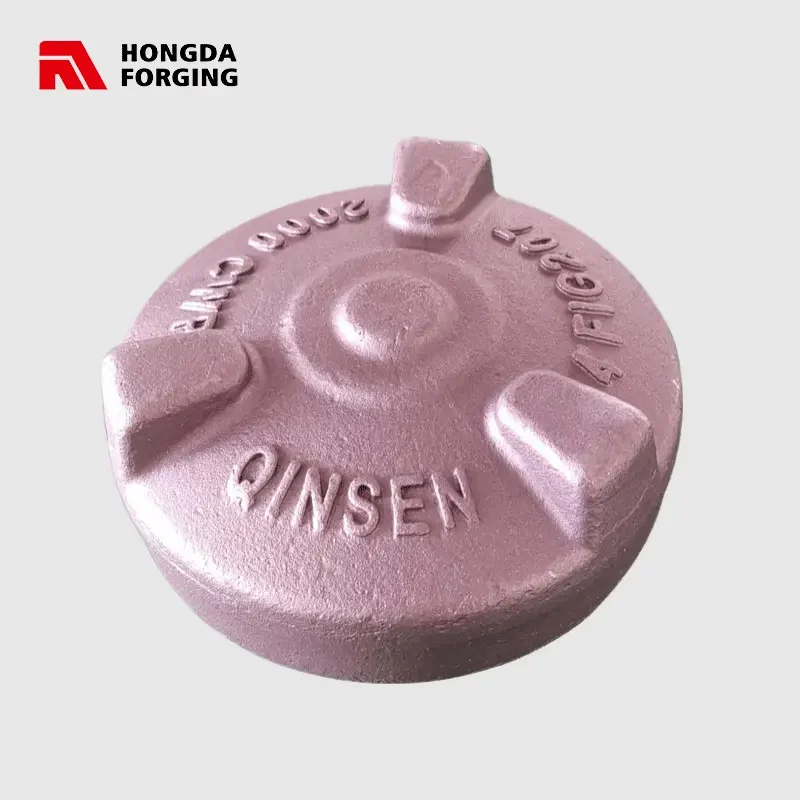
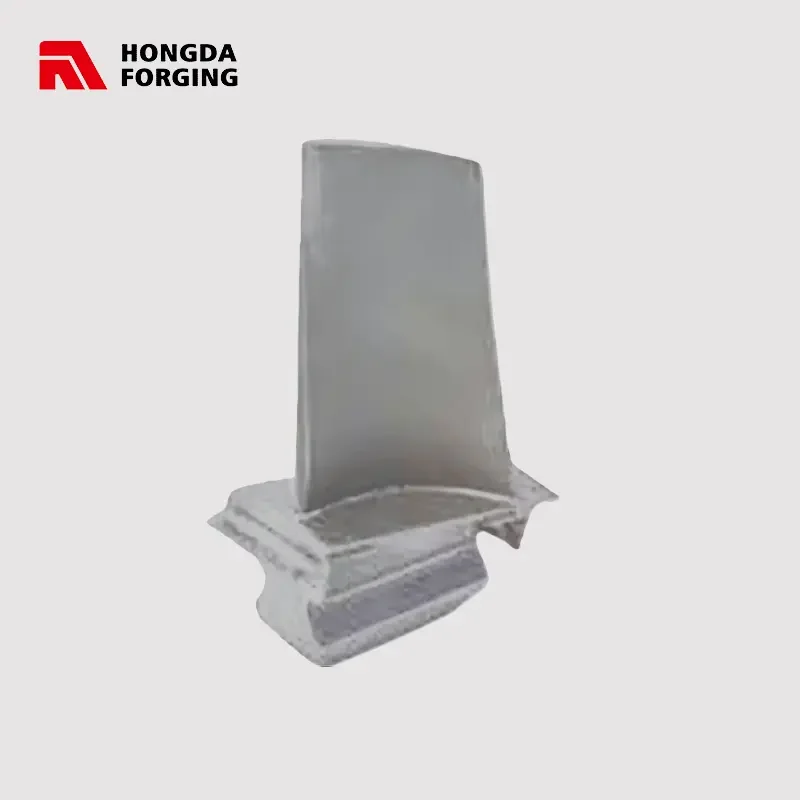
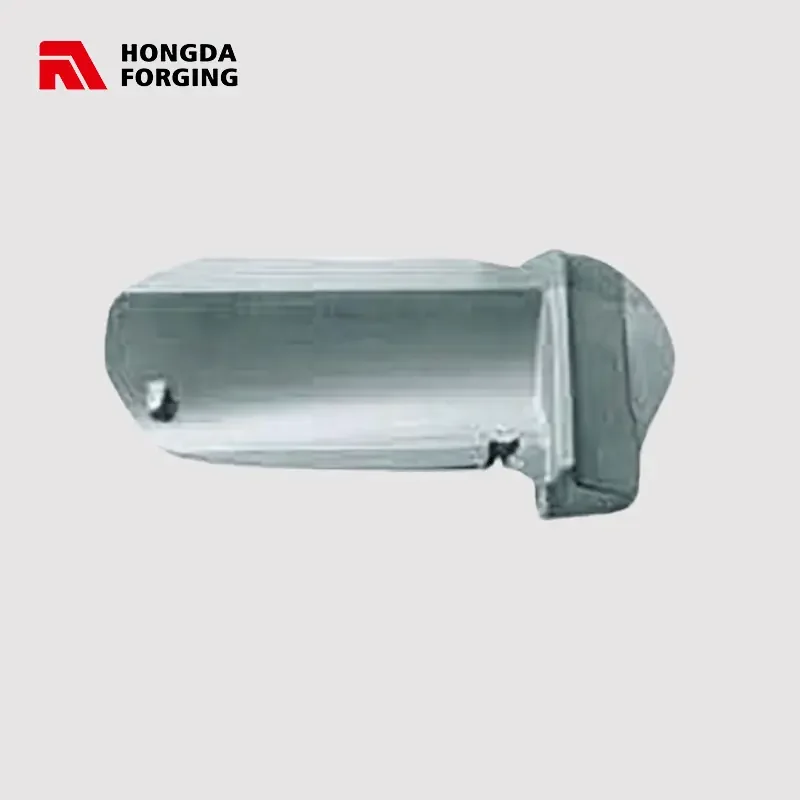
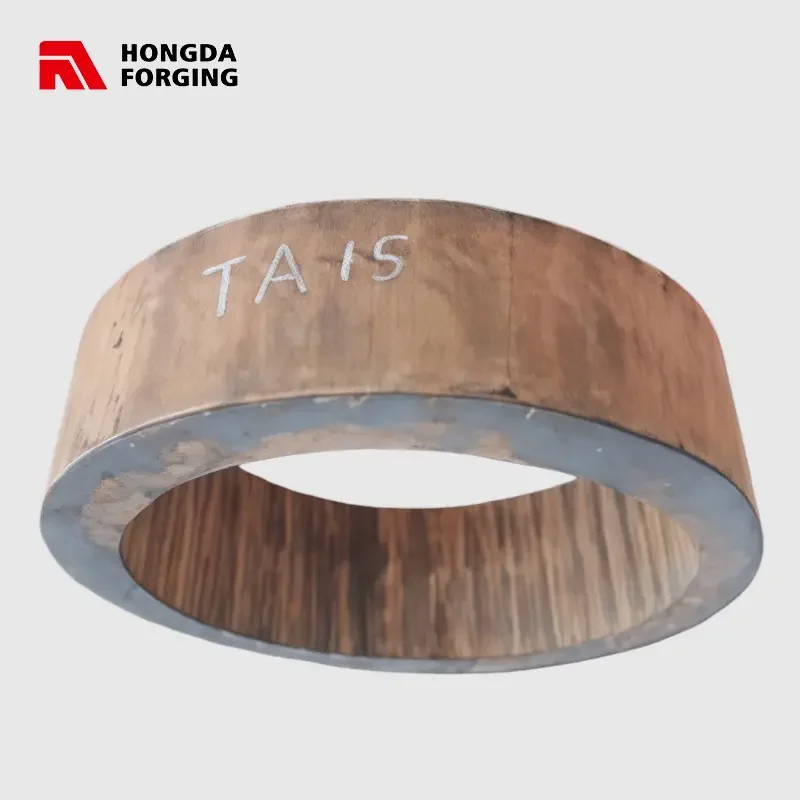
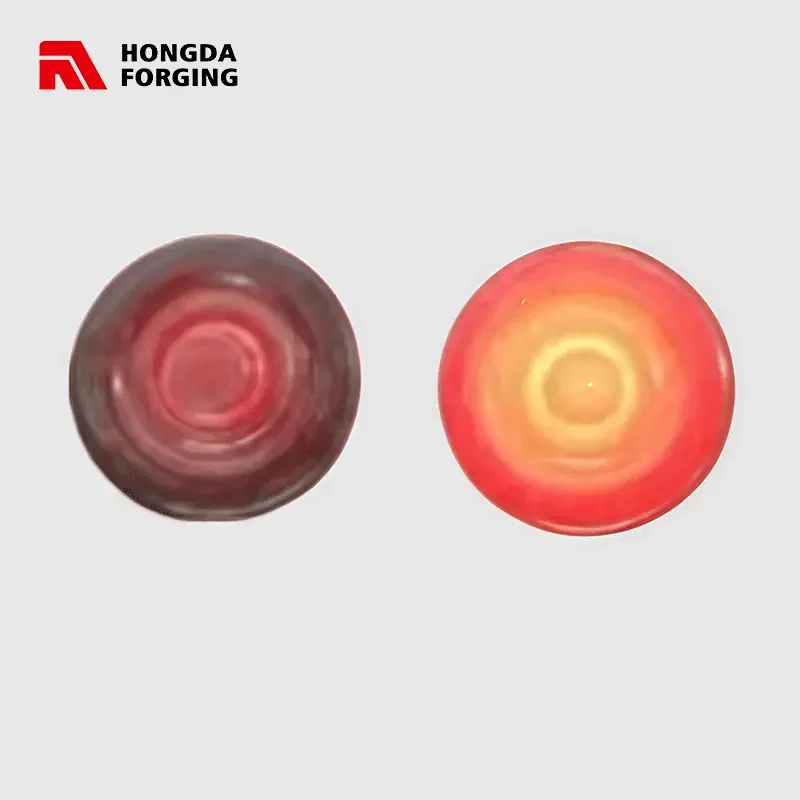
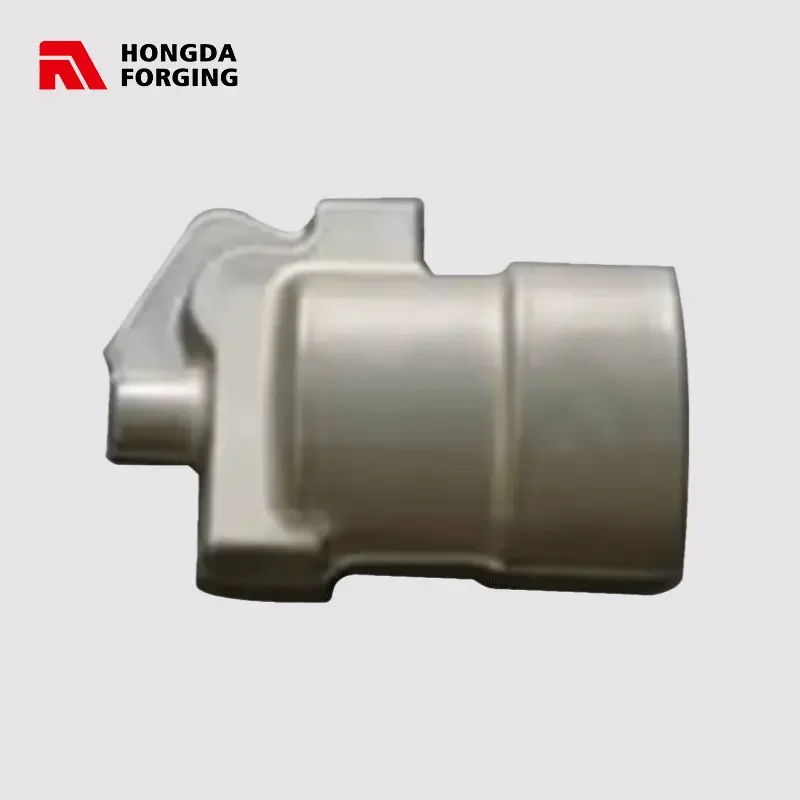
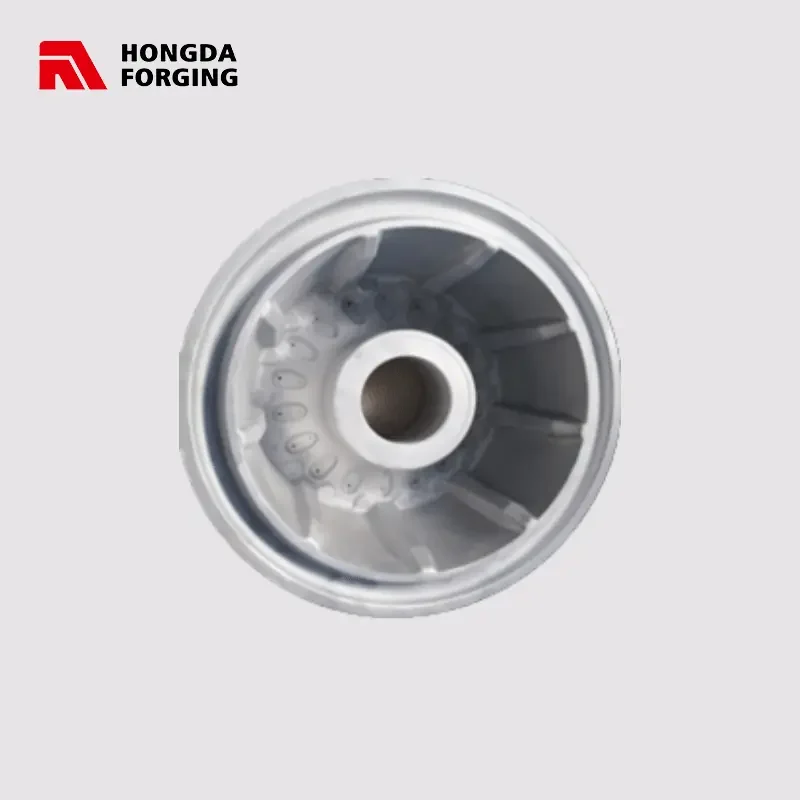
Actual Hongda Closed-Die Products
REVROK coordinates the commercial process
REVROK coordinates RFQs, drawing and specification clarification, quotation handling and commercial follow-up. For closed-die forgings, early confirmation of repeat quantities, geometry, tolerances and machining condition helps determine the appropriate supply route.
Closed-Die Forgings RFQ
Send the drawing, specification or initial requirement. REVROK will review the application and coordinate technical feasibility and quotation.
Please include the drawing, material, quantity, machining condition, dimensional tolerance, testing requirements and intended application wherever available.